
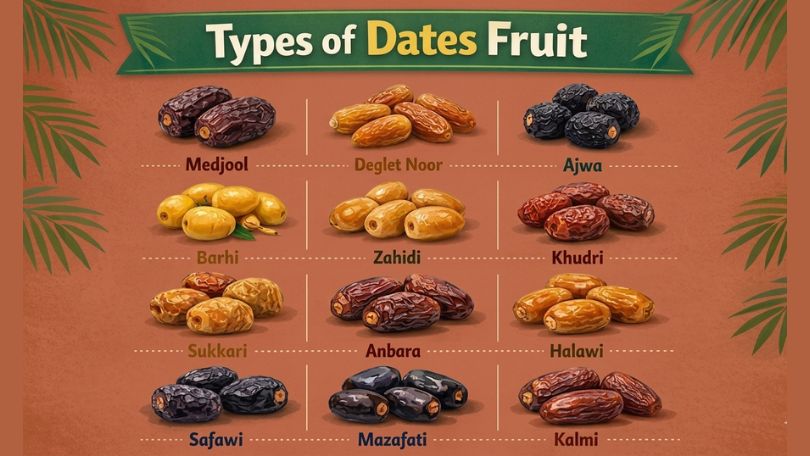
Dates are not just one fruit—they come in many forms with different flavors, textures, and uses. This guide to Different Types of Dates helps you understand what to pick and why. Some dates are soft and rich like caramel, while others are dry and slightly nutty.
A few are perfect for daily eating, and others are better for desserts or gifts. If you’ve ever felt confused standing in front of so many options, this simple guide will help you choose the right dates with confidence..
Quick Comparison of Different Types of Dates
| Date Name | Taste | Texture | Size | Best Use |
| Medjool | Rich caramel | Soft, thick | Large | Snacking, desserts |
| Deglet Noor | Mildly sweet | Firm, semi-dry | Medium | Baking, cooking |
| Mazafati | Deep sweet, earthy | Very soft | Medium | Fresh eating |
| Barhi | Honey, vanilla | Soft or crunchy | Small-medium | Fresh at both stages |
| Thoory | Nutty, low sugar | Very dry | Medium | Travel, cooking |
| Ajwa | Earthy, mild | Soft-dry | Small | Daily eating |
| Zahidi | Buttery, light | Semi-dry | Medium | Syrup, cooking |
| Sukkari | Candy-sweet | Soft, crumbly | Medium | Desserts, fresh |
| Piarom | Bitter-sweet | Semi-dry, chewy | Long, slender | Gifting, gourmet |
| Khalas | Butterscotch | Soft, sticky | Medium | Festive eating |
| Khudri | Mellow sweet | Semi-dry | Medium | Budget snacking |
| Safawi | Rich, dark sweet | Soft, moist | Medium | Gifting, Ramadan |
50+ Types of Dates Fruit With Pictures
Medjool Dates
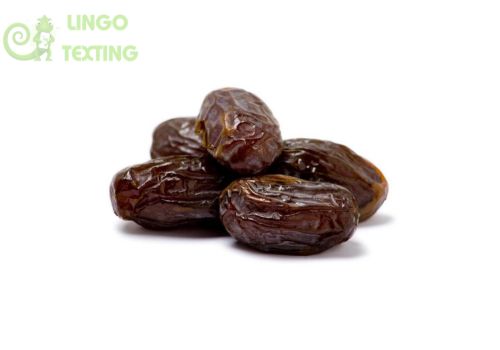
- Taste: Deep caramel with a faint honey undertone
- Texture: Thick and soft — like a brownie bite
- Size: Large, roughly the size of a small plum
- Color: Dark mahogany brown
- Origin: Morocco; now grown in USA, Jordan, Israel
- Best For: Snacking, stuffed recipes, energy balls, desserts
- Why People Choose It: One date feels filling. Medjool dates fruit is the most recognized variety in Western markets.
- Downside: Noticeably more expensive than most varieties
Deglet Noor Dates
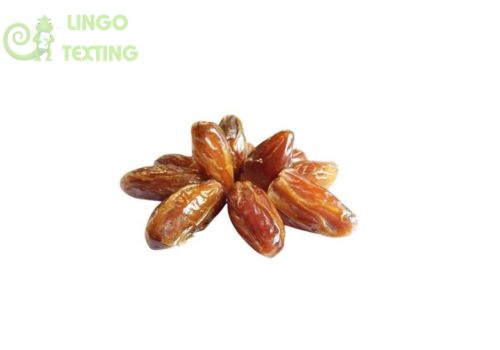
- Taste: Lightly sweet, clean
- Texture: Firm with a slight chew — holds shape under heat
- Size: Medium
- Color: Light amber to golden brown
- Origin: Algeria, Tunisia, California
- Best For: Baking, salads, savory cooking
- Why People Choose It: Balanced — not too sweet, not too dry
- Downside: Too dry for those who prefer soft dates
Mazafati Dates
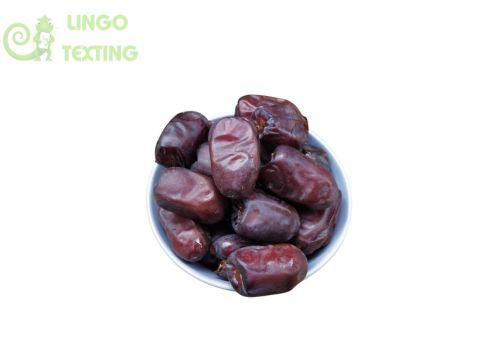
- Taste: Very sweet with faint earthy depth
- Texture: Extremely soft — melts in the mouth
- Size: Medium
- Color: Dark purple to near-black
- Origin: Bam, Iran
- Best For: Fresh eating, gifting
- Why People Choose It: Rich, dessert-like texture
- Downside: Short shelf life, needs refrigeration
Barhi Dates
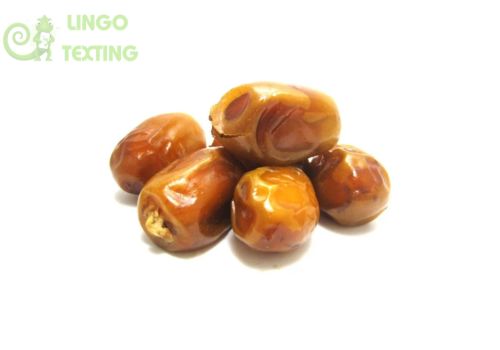
- Taste: Honey-vanilla
- Texture: Crunchy (unripe), syrupy-soft (ripe)
- Size: Small to medium
- Color: Yellow (unripe), amber-brown (ripe)
- Origin: Iraq, California, Gulf
- Best For: Fresh eating at both stages
- Why People Choose It: Unique dual texture
- Downside: Bruises easily
Thoory Dates
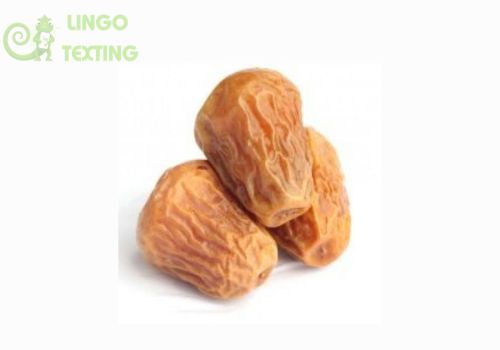
- Taste: Nutty, low sweetness
- Texture: Dry, firm, bread-like
- Size: Medium
- Color: Brownish-red
- Origin: Algeria
- Best For: Travel, savory dishes
- Why People Choose It: Non-sticky, long-lasting
- Downside: Not sweet enough for desserts
Ajwa Dates
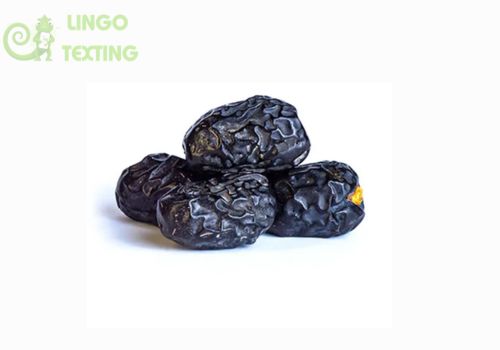
- Taste: Mild, earthy, slightly smoky
- Texture: Soft outside, slightly dry inside
- Size: Small
- Color: Very dark brown
- Origin: Madinah, Saudi Arabia
- Best For: Daily eating
- Why People Choose It: Cultural and wellness value
- Downside: Expensive
Zahidi Dates
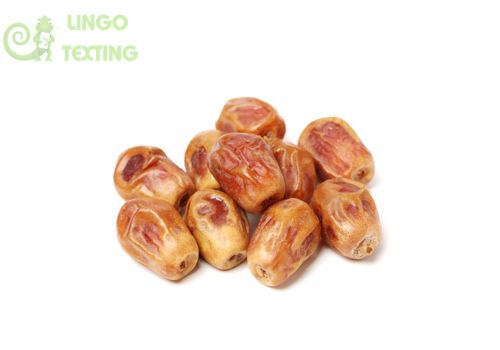
- Taste: Light, buttery, nutty
- Texture: Semi-dry, smooth
- Size: Medium
- Color: Golden yellow
- Origin: Iraq, Iran
- Best For: Cooking, syrup
- Why People Choose It: Holds shape when heated
- Downside: Less rich flavor
Khudri Dates
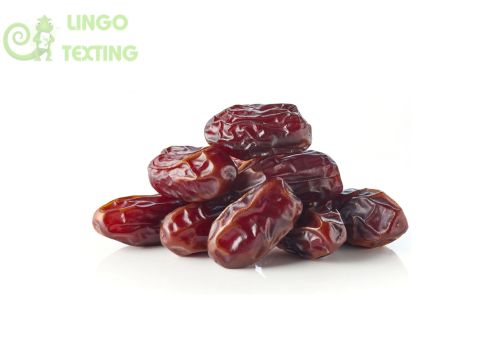
- Taste: Mild sweetness
- Texture: Semi-dry, wrinkled
- Size: Medium
- Color: Dark reddish-brown
- Origin: Saudi Arabia
- Best For: Everyday snacking
- Why People Choose It: Affordable, common
- Downside: Simple flavor
Safawi Dates
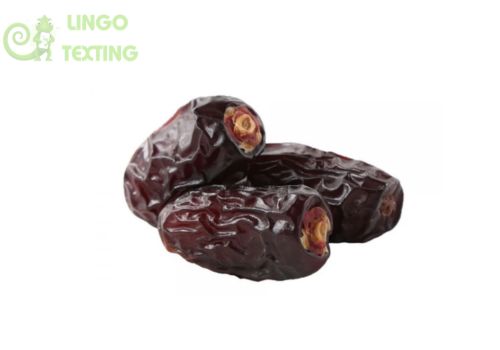
- Taste: Rich, deep sweetness
- Texture: Soft, moist
- Size: Medium
- Color: Near-black
- Origin: Madinah, Saudi Arabia
- Best For: Gifting, Ramadan
- Why People Choose It: Richer than Ajwa
- Downside: Too sweet for some
Sukkari Dates
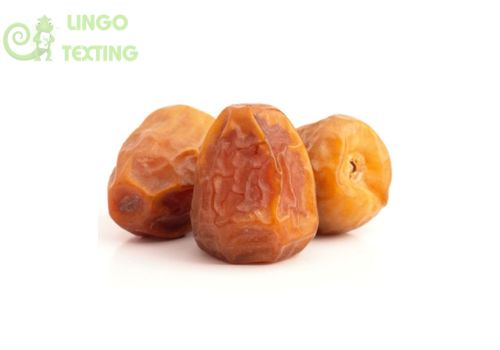
- Taste: Very sweet (brown sugar-like)
- Texture: Soft, crumbly
- Size: Medium
- Color: Golden
- Origin: Saudi Arabia
- Best For: Desserts, tea-time
- Why People Choose It: Intense sweetness
- Downside: Too sweet for daily use
Khadrawy Dates
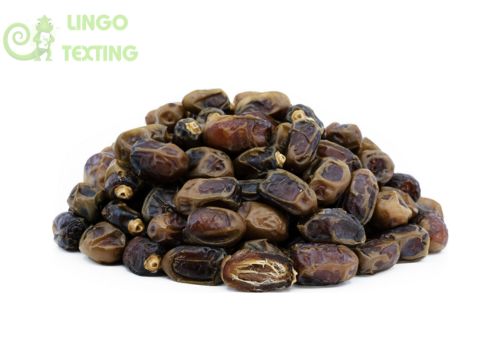
- Taste: Brown sugar, light caramel
- Texture: Very soft
- Size: Small-medium
- Color: Dark amber
- Origin: Iraq, Saudi Arabia
- Best For: Fresh eating
- Why People Choose It: Lighter than Medjool
- Downside: Fragile
Halawy Dates
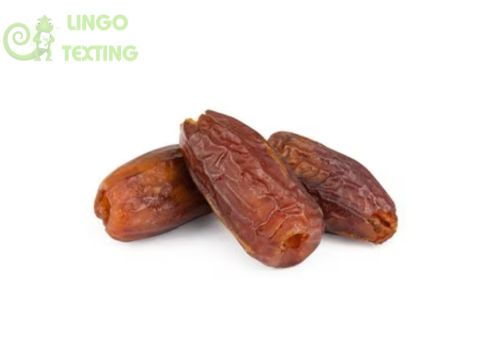
- Taste: Honey, light caramel
- Texture: Soft, thin skin
- Size: Small-medium
- Color: Light amber
- Origin: Iraq
- Best For: Sweets, snacking
- Why People Choose It: Gentle sweetness
- Downside: Rare
Dayri Dates
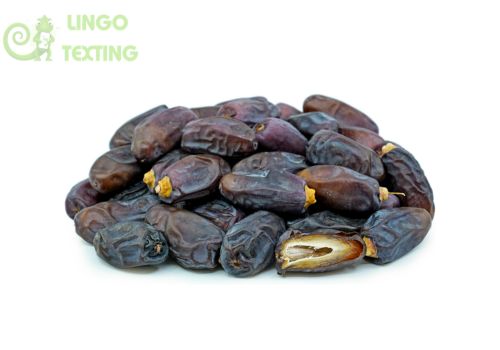
- Taste: Rich sweetness
- Texture: Soft, moist
- Size: Large, long
- Color: Very dark brown
- Origin: Iraq
- Best For: Stuffing
- Why People Choose It: Large size
- Downside: Limited availability
Piarom Dates
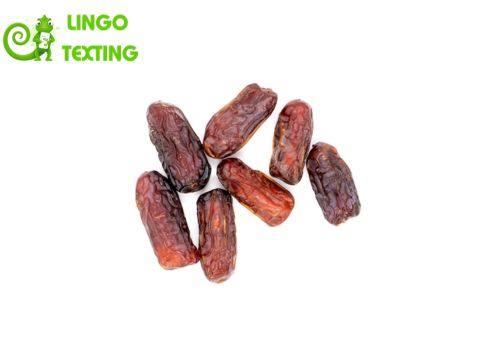
- Taste: Semi-sweet, slightly bitter
- Texture: Chewy, semi-dry
- Size: Long
- Color: Near-black
- Origin: Iran
- Best For: Gourmet pairing
- Why People Choose It: Chocolate-like taste
- Downside: Expensive
Rabbi Dates
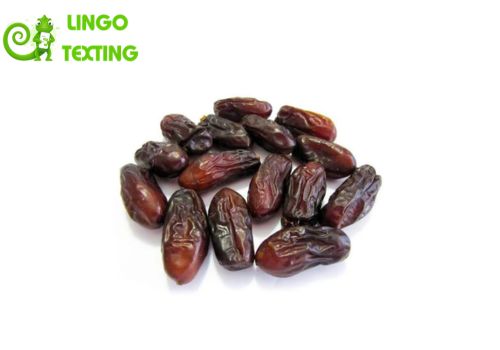
- Taste: Mild sweetness
- Texture: Semi-dry
- Size: Medium
- Color: Dark brown
- Origin: Iran
- Best For: Everyday use
- Why People Choose It: Consistent quality
- Downside: Not distinctive
Sayer Dates
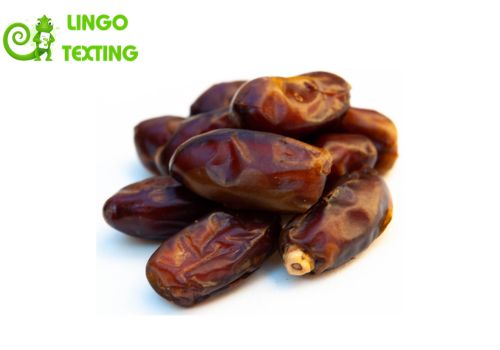
- Taste: Sweet with slight tang
- Texture: Semi-dry
- Size: Medium
- Color: Dark amber
- Origin: Iran
- Best For: Date paste
- Why People Choose It: High export
- Downside: Average fresh taste
Lulu Dates
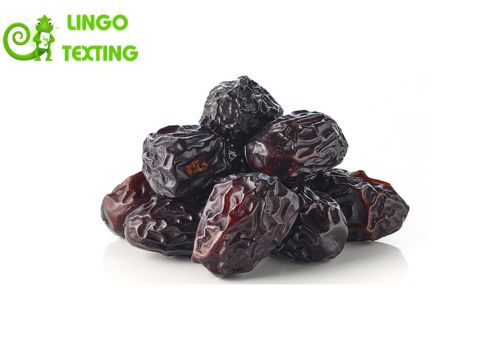
- Taste: Honey-sweet
- Texture: Soft
- Size: Small-medium
- Color: Light amber
- Origin: UAE
- Best For: Luxury gifting
- Why People Choose It: Premium feel
- Downside: Rare outside UAE
Khalas Dates
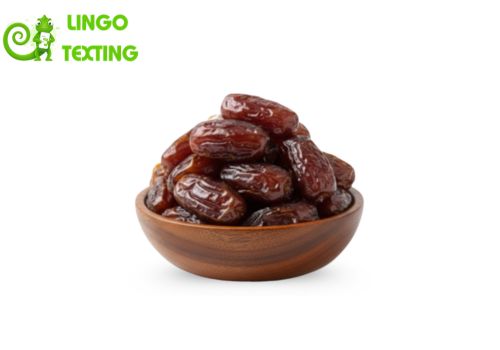
- Taste: Butterscotch
- Texture: Soft, sticky
- Size: Medium
- Color: Amber
- Origin: UAE, Oman
- Best For: Hospitality
- Why People Choose It: Unique flavor
- Downside: Hard to find
Saghai Dates
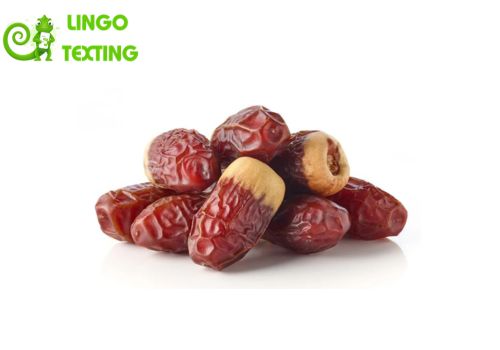
- Taste: Sweet base, lighter tip
- Texture: Dual (firm + soft)
- Size: Medium
- Color: Yellow + brown
- Origin: Saudi Arabia
- Best For: Unique experience
- Why People Choose It: Dual texture
- Downside: Seasonal
Mabroom Dates
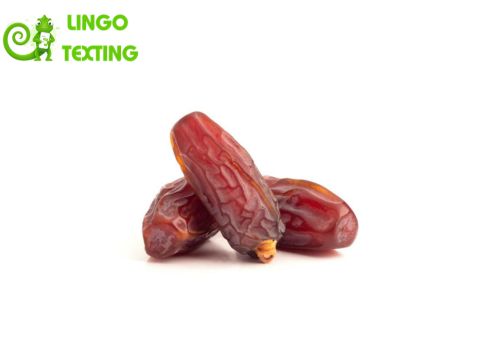
- Taste: Mild, nutty
- Texture: Firm, fibrous
- Size: Long
- Color: Dark brown
- Origin: Saudi Arabia
- Best For: Coffee pairing
- Why People Choose It: Balanced sweetness
- Downside: Fibrous
Kholas Dates
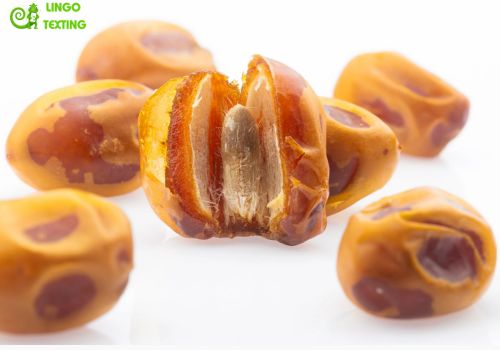
- Taste: Toffee-like
- Texture: Soft
- Size: Medium
- Color: Golden
- Origin: Saudi Arabia
- Best For: Gifting
- Why People Choose It: Candy-like taste
- Downside: Expensive
Kimia Dates
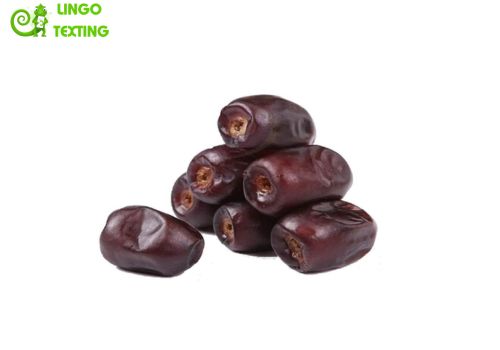
- Taste: Sweet, smooth
- Texture: Soft
- Size: Medium
- Color: Dark
- Origin: Iran
- Best For: Budget Mazafati alternative
- Why People Choose It: Similar taste, cheaper
- Downside: Quality varies
Fard Dates
- Taste: Mild sweetness
- Texture: Firm
- Size: Medium
- Color: Dark brown
- Origin: Oman
- Best For: Daily eating
- Why People Choose It: Long shelf life
- Downside: Plain flavor
Khaisab Dates
- Taste: Light fruity sweetness
- Texture: Crunchy (fresh stage)
- Size: Medium
- Color: Bright red
- Origin: Oman
- Best For: Fresh eating
- Why People Choose It: Unique crunch
- Downside: Perishable
Aseel Dates
- Taste: Rich sweetness
- Texture: Soft to semi-dry
- Size: Medium
- Color: Golden-brown
- Origin: Pakistan
- Best For: Export, snacking
- Why People Choose It: Widely available
- Downside: Quality varies
Dhakki Dates
- Taste: Smooth sweetness
- Texture: Soft, chewy
- Size: Medium-large
- Color: Golden-brown
- Origin: Pakistan
- Best For: Gifting
- Why People Choose It: Premium local variety
- Downside: Limited supply
Begum Jangi Dates
- Taste: Light sweetness
- Texture: Semi-dry
- Size: Medium
- Color: Brown
- Origin: Pakistan
- Best For: Budget buying
- Why People Choose It: Affordable
- Downside: Basic quality
Hillawi Dates
- Taste: Very sweet
- Texture: Soft
- Size: Small-medium
- Color: Amber
- Origin: Iraq
- Best For: Sweets
- Why People Choose It: Traditional flavor
- Downside: Rare globally
Empress Dates
- Taste: Mild
- Texture: Moist
- Size: Very large
- Color: Dark amber
- Origin: USA
- Best For: Stuffing
- Why People Choose It: Large size
- Downside: Mild flavor
Amir Hajj Dates
- Taste: Rich, nutty
- Texture: Soft
- Size: Large
- Color: Golden
- Origin: Iraq
- Best For: Premium eating
- Why People Choose It: High quality
- Downside: Fragile
Kabkab Dates
- Taste: Very sweet, strong
- Texture: Soft, moist
- Size: Large
- Color: Dark brown
- Origin: Iran
- Best For: Date paste, syrup
- Why People Choose It: High sugar content
- Downside: Too sweet for regular snacking
Mariami Dates
- Taste: Mild sweetness
- Texture: Semi-dry
- Size: Medium
- Color: Brown
- Origin: Iran
- Best For: Everyday eating
- Why People Choose It: Consistent quality
- Downside: Nothing special
Shahabi Dates
- Taste: Moderate sweetness, slightly fruity
- Texture: Soft, slightly sticky
- Size: Large
- Color: Dark amber
- Origin: Iran
- Best For: Stuffed recipes
- Why People Choose It: Easy to fill
- Downside: Flavor not standout
Zaghloul Dates (Fresh)
- Taste: Light, fresh sweetness
- Texture: Crunchy
- Size: Large
- Color: Bright red
- Origin: Egypt
- Best For: Fresh eating
- Why People Choose It: Unique crisp texture
- Downside: Not available outside Egypt
Siwi Dates
- Taste: Rich, honey-like
- Texture: Soft to semi-dry
- Size: Medium
- Color: Dark brown
- Origin: Egypt
- Best For: Local gifting
- Why People Choose It: Unique desert-grown flavor
- Downside: Limited export
Gondaila Dates
- Taste: Mild sweetness
- Texture: Dry
- Size: Small
- Color: Light brown
- Origin: Pakistan
- Best For: Storage
- Why People Choose It: Long shelf life
- Downside: Not great for fresh eating
Hayani Dates
- Taste: Mild, fresh
- Texture: Soft to semi-dry
- Size: Large
- Color: Red to brown
- Origin: Egypt
- Best For: Juice, fresh eating
- Why People Choose It: Historic variety
- Downside: Rare globally
Kenta Dates
- Taste: Mild, slightly woody
- Texture: Dry, firm
- Size: Small-medium
- Color: Brown
- Origin: Tunisia
- Best For: Processed foods
- Why People Choose It: Long shelf life
- Downside: Dull taste
Ghars Dates
- Taste: Very sweet, heavy
- Texture: Soft, sticky
- Size: Large
- Color: Dark brown
- Origin: Libya
- Best For: Paste, cooking
- Why People Choose It: High sugar
- Downside: Too sticky
Bou Sthammi Dates
- Taste: Moderate sweetness
- Texture: Semi-dry
- Size: Medium
- Color: Brown
- Origin: Tunisia
- Best For: Household use
- Why People Choose It: Everyday staple
- Downside: Limited availability
Ftimi Dates
- Taste: Clean sweet
- Texture: Dry
- Size: Small
- Color: Brown
- Origin: Tunisia
- Best For: Storage
- Why People Choose It: Shelf stable
- Downside: Small, dry
Wanan Dates
- Taste: Mild sweet
- Texture: Semi-dry
- Size: Medium
- Color: Light brown
- Origin: Libya
- Best For: Local use
- Why People Choose It: Everyday cooking
- Downside: Not exported
Khouat Ighane Dates
- Taste: Mild, slightly nutty
- Texture: Semi-dry
- Size: Medium
- Color: Brown
- Origin: Algeria
- Best For: Cooking
- Why People Choose It: Reliable
- Downside: Unknown globally
Tingan Dates
- Taste: Mild sweet
- Texture: Soft
- Size: Small
- Color: Dark
- Origin: Mauritania
- Best For: Local use
- Why People Choose It: Cultural food
- Downside: Rare globally
Nabtat Ali Dates
- Taste: Mild
- Texture: Soft
- Size: Medium
- Color: Dark brown
- Origin: Saudi Arabia
- Best For: Daily eating
- Why People Choose It: Consistent
- Downside: Not unique
Dabbas Dates
- Taste: Light sweet
- Texture: Soft
- Size: Medium-large
- Color: Light amber
- Origin: UAE
- Best For: Fresh eating
- Why People Choose It: Light taste
- Downside: Rare outside UAE
Lasi Dates
- Taste: Mild sweet
- Texture: Semi-dry
- Size: Medium
- Color: Brown
- Origin: Pakistan
- Best For: Local markets
- Why People Choose It: Affordable
- Downside: Not exported
Beid Al Hamam Dates
- Taste: Very delicate
- Texture: Soft
- Size: Small
- Color: Light amber
- Origin: Egypt
- Best For: Decoration, gifts
- Why People Choose It: Unique shape
- Downside: Extremely rare
Kalmi Dates
- Taste: Mild sweet
- Texture: Soft
- Size: Medium
- Color: Dark
- Origin: Saudi Arabia
- Best For: South Asian markets
- Why People Choose It: Easy to find
- Downside: Often mislabeled
Khalal Stage Dates
- Taste: Light, fresh
- Texture: Crunchy
- Size: Varies
- Color: Yellow/red/green
- Origin: All regions
- Best For: Fresh eating
- Why People Choose It: Completely different experience
- Downside: Highly perishable
Rutab Stage Dates
- Taste: Very sweet, juicy
- Texture: Extremely soft
- Size: Varies
- Color: Dark amber to black
- Origin: All regions
- Best For: Fresh harvest eating
- Why People Choose It: Peak flavor stage
- Downside: Very short shelf life
Zaghloul Dates (Dried)
- Taste: Stronger sweetness
- Texture: Semi-dry
- Size: Medium-large
- Color: Dark brown
- Origin: Egypt
- Best For: Export
- Why People Choose It: Longer shelf life
- Downside: Loses fresh crunch
Complete List: 50+ Different Types of Dates Ftuit Names
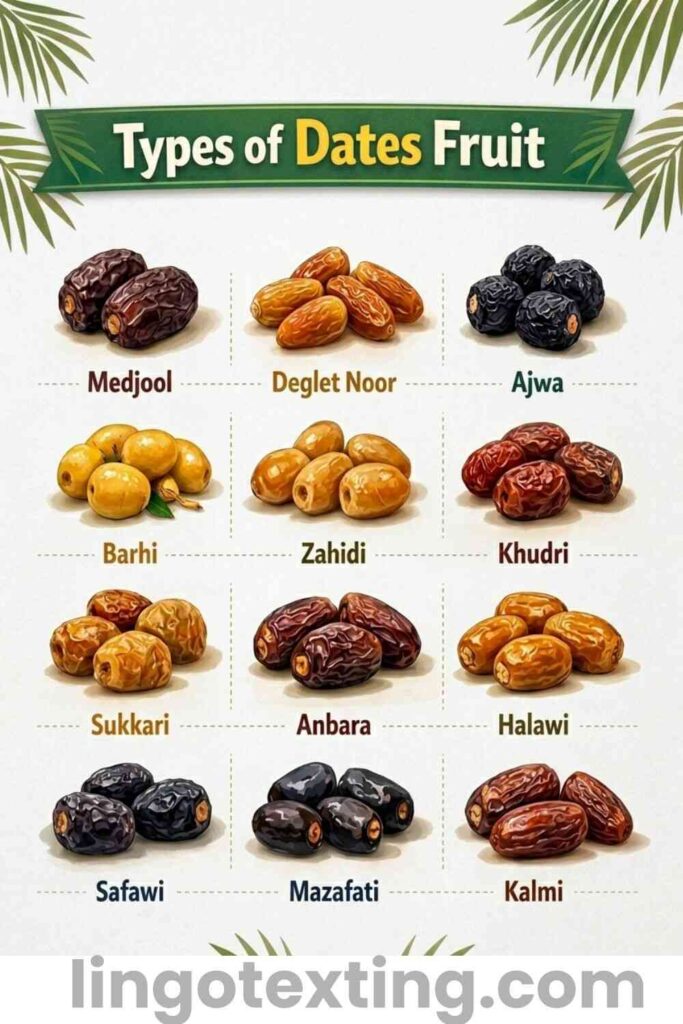
- Medjool
- Deglet Noor
- Mazafati
- Barhi
- Thoory
- Ajwa
- Zahidi
- Khudri
- Safawi
- Sukkari
- Khadrawy
- Halawy
- Dayri
- Piarom
- Rabbi
- Sayer
- Lulu
- Khalas
- Saghai
- Mabroom
- Kholas
- Kimia
- Fard
- Khaisab
- Aseel
- Dhakki
- Begum Jangi
- Hillawi
- Empress
- Amir Hajj
- Kabkab
- Mariami
- Shahabi
- Zaghloul (Fresh)
- Zaghloul (Dried)
- Siwi
- Gondaila
- Hayani
- Kenta
- Ghars
- Bou Sthammi
- Ftimi
- Wanan
- Khouat Ighane
- Tingan
- Nabtat Ali
- Dabbas
- Lasi
- Beid Al Hamam
- Kalmi
- Khalal Stage
- Rutab Stage
Different Types of Dates by Category
By Texture
Soft — eat fresh, short shelf life
- Medjool, Mazafati, Khadrawy, Halawy, Sukkari, Barhi (ripe), Khalas, Safawi, Kimia, Amir Hajj, Dayri, Kabkab, Rutab Stage
Semi-dry — balanced, works for eating and cooking
- Deglet Noor, Khudri, Rabbi, Zahidi, Sayer, Piarom, Fard, Aseel, Mariami, Mabroom, Kalmi
Dry — long shelf life, firm bite
- Thoory, Kenta, Ftimi, Gondaila, Zaghloul (dried)
By Sweetness
Very sweet: Sukkari, Barhi, Halawy, Hillawi, Kabkab, Medjool, Khalas, Kholas
Mildly sweet: Deglet Noor, Ajwa, Mabroom, Zahidi, Rabbi, Khudri, Fard, Kimia
Low sugar / complex: Thoory, Piarom, Saghai (tip end), Khalal Stage
By Best Use
Daily snacking: Khudri, Kalmi, Ajwa, Deglet Noor, Lasi, Begum Jangi, Fard
Desserts and sweets: Medjool, Sukkari, Halawy, Hillawi, Khalas
Baking and cooking: Deglet Noor, Zahidi, Ghars, Thoory, Kabkab
Gifting: Piarom, Medjool, Khalas, Dhakki, Lulu, Sukkari, Kholas
Stuffing recipes: Empress, Dayri, Shahabi, Medjool
Date paste or syrup: Kabkab, Ghars, Zahidi, Sayer
Types of Dates Fruit in India and Pakistan
Common in Indian markets:
- Khudri — sold loose in bulk, lowest price point
- Kalmi — labeled “Madina dates” in most shops
- Zahidi — sold as “yellow dates” locally
- Mazafati — found in Iranian import specialty stores in larger cities
- Ajwa — available at Islamic stores at a premium
- Sukkari — increasingly sold in premium urban packs
- Medjool — available in high-end grocery stores in metros
In Pakistan:
- Aseel from Sindh is Pakistan’s flagship export date — shipped to Europe and the Gulf
- Dhakki from Dera Ismail Khan is the finest local variety — sold in gift boxes
- Begum Jangi and Lasi are cheap local options in bazaars
- Gondaila from Balochistan stays purely local with almost no export
During Ramadan, Saudi and Iranian varieties flood markets in both countries at competitive prices. Fresh Rutab-stage dates occasionally appear in August and September near harvest season.
Types of Dates and Their Benefits
| Date Name | Key Benefit | Practical Meaning |
| Medjool | High natural energy | Good pre-workout or afternoon snack |
| Ajwa | High antioxidant content | Suitable for a daily wellness habit |
| Sukkari | Fast natural sugar | Useful before physical activity |
| Piarom | Lower perceived glycemic load | Better for those watching sugar intake |
| Deglet Noor | Balanced fiber | Good for digestion when eaten regularly |
| Mazafati | Contains iron | Helpful during winter fatigue |
| Thoory | Low moisture, high fiber | Supports gut health, travels well |
| Zahidi | Contains potassium | Supports muscle function naturally |
| Barhi | Natural sugars with minerals | Child-friendly without refined sugar |
| Mabroom | Moderate sugar level | Works daily without feeling heavy |
| Kabkab | High natural sugar | Better processed into paste than eaten whole |
| Khalal Stage | Fresh antioxidants | Different nutrition profile from ripe dates |
These are general food observations — not medical claims. Consult a doctor for personal health guidance.
How to Choose the Right Dates
Daily eating: Khudri, Deglet Noor, or Ajwa. Not too sweet, affordable, easy to find. Three to five dates a day is a common habit in Middle Eastern households.
Desserts: Medjool for richness. Sukkari if you want extreme sweetness. Both work in date balls, brownies, and layered sweets.
Baking or cooking: Deglet Noor — holds shape under heat, doesn’t overpower the dish. Zahidi for paste or syrup.
Health-conscious eating: Piarom or Mabroom — lower sweetness, more complex flavor. Ajwa for daily antioxidant habits.
Gifting: Piarom, Dhakki, Khalas, or Kholas. In Pakistan, Dhakki in a decorated box is a traditional and respected gift.
Kids: Barhi at the crunchy Khalal stage — feels like a fresh apple, not a heavy sweet.
Budget option in South Asia: Khudri in India. Begum Jangi or Lasi in Pakistan.
How Many Types of Dates Exist?
Over 2,000 varieties exist globally. Most are purely local — grown in a single village or oasis and never traded beyond it. Only 20–50 reach international markets.
Why so many? Date palms have been cultivated for over 5,000 years. As farmers moved across Arabia, North Africa, and South Asia, palms cross-pollinated and adapted to local climates. Hot, arid deserts produce sweeter, drier dates. Humid areas produce softer fruit. Over millennia, thousands of regional varieties developed naturally.
Egypt, Saudi Arabia, Iran, Iraq, Pakistan, and Algeria produce the most dates globally. Each country has varieties that rarely leave national borders.
Common Confusions About “Dates”
Date fruit vs calendar date: This article covers the fruit from date palm trees — sweet, brown, chewy fruits eaten across the Middle East and South Asia. A calendar date is a day of the year. Unrelated.
“Types of dates relationship” and “types of dates with a girl”: Some people searching “types of dates” mean romantic outings — dinner, coffee, movies, adventure activities. That’s an entirely different topic covered in separate guides.
Medjool as “the only premium date”: Medjool gets heavy Western marketing as the king of dates. In the Middle East and South Asia, Ajwa, Khalas, Piarom, Sukkari, and Dhakki are considered equally or more prestigious depending on the country. The “king” label is mostly a Western retail story.
Read also about:
1000+ English Sentences Used in Daily Life: Practical Guide
Completing Sentence Rules: Easy Guide for Students
Frequently Asked Questions
1. Which dates should I try first if I’m new?
Start simple. Try Medjool for a soft, sweet taste and Deglet Noor for a lighter option. This gives you a quick idea of how different dates can feel and taste.
2. How do I know if dates are fresh or good quality?
Look for smooth skin, no bad smell, and no white sugar crystals outside. Soft dates should feel moist, not sticky or dry like old fruit.
3. Are expensive dates always better?
Not always. Some costly dates are rare or imported, but local varieties can taste just as good. Choose based on your use, not just price.
4. What’s the best way to store dates at home?
Keep dry dates in an airtight container at room temperature. Soft dates stay better in the fridge, especially in warm weather.
Final Thoughts
Same tree. Completely different worlds.
Biting into a Sukkari and then a Thoory back-to-back makes the point instantly — they barely seem related.
Soft and rich for snacking — Medjool. Daily eating on a budget — Khudri or Deglet Noor. Impressive gift — Piarom, Dhakki, or Khalas. Something unusual to try — Saghai’s dual texture or Zaghloul’s fresh crunch. Religious or cultural significance — Ajwa or Safawi. Homemade paste or syrup — Kabkab or Ghars.
Start with what’s near you. Try three different varieties side by side. The differences become obvious within seconds.

I write clear, practical English lessons for everyday use. On Lingotexting, I break down grammar, vocabulary, and word types into simple ideas you can apply quickly. My focus is accuracy, real examples, and helpful visuals, so learners build confidence, improve writing, and communicate naturally in school, work, and daily life.